
 HomeFlow
 Touch Stay
 Low6
Low6 Glasscubes
 Made (acq. by Next)
 PWN (acq. by PGi)
 Platinium Group
 Litera Microsystems
 Fortune 500 Firm
Poland’s tech scene is known for its companies, but it is built by people. Here are the engineers, founders and open-source authors other developers actually follow. Poland has produced world-class software talent across open-source, competitive programming, tech entrepreneurship, and more.
Below is an updated ranked list of the best Polish software developers, selected for their famous open-source contributions, coding leadership in startups, influential tech content, significant roles at major tech companies, and international programming contest wins. Each entry includes a brief bio and key public profiles.
- Jakub Pachocki
- Łukasz Kaiser
- Marek Cygan
- Tomasz Czajka
- Marcin Kleczyński
- Wojciech Zaremba
- Michał Zalewski
- Marcin Zajkowski
- Krystian Podemski
- Joanna Rutkowska
- Kamil Dębowski
- Bartosz Milewski
- Krzysztof Cwalina
- Ania Kubów
- Mirosław Zelent
- Piotr Skalski
⚡️Need Polish engineers on your team? EchoGlobal finds proven talent. Tell us about the role.
Jakub Pachocki

Ask an Expert: Solving Challenges
Former coding prodigy (6-time IOI finalist) who won the Google Code Jam 2012.
As OpenAI’s Chief Scientist, he oversaw the development of GPT-4. Pachocki’s blend of algorithmic brilliance and AI leadership led Sam Altman to call him “one of the greatest minds of our generation”. He exemplifies success in coding competitions and advanced industry research.
- Linkedin: Jakub Pachocki
- X (Twitter): @merettm
Lukasz Kaiser
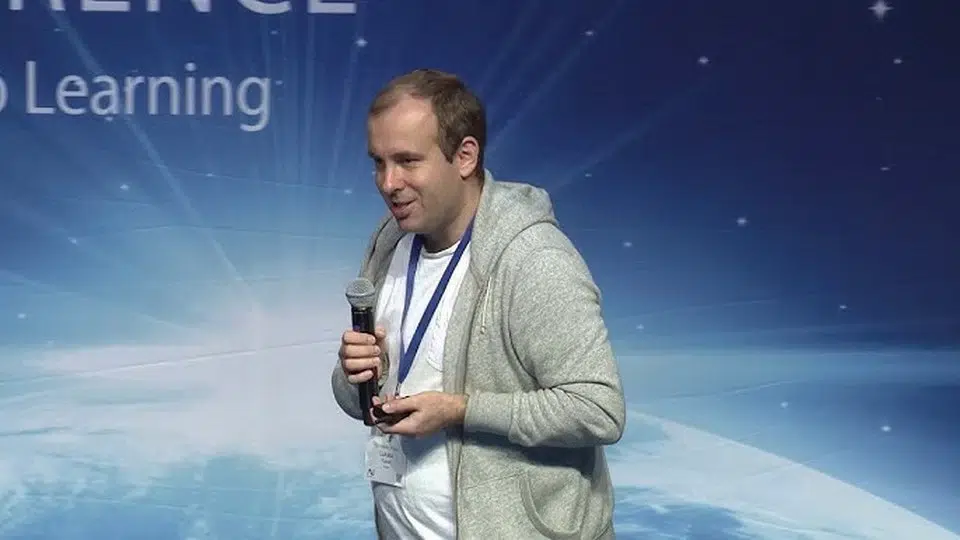
A deep learning scientist renowned as co-inventor of the Transformer neural network architecture, which reshaped NLP.
As a Google Brain team member, Kaiser helped develop the Tensor2Tensor and Trax libraries. His work on efficient Transformer models and sequence learning has massively influenced modern AI. Kaiser’s contributions illustrate Poland’s impact on global machine learning advances.
- Linkedin: Łukasz Kaiser
- X (Twitter): @lukaszkaiser
- Github: lukaszkaiser
Marek Cygan
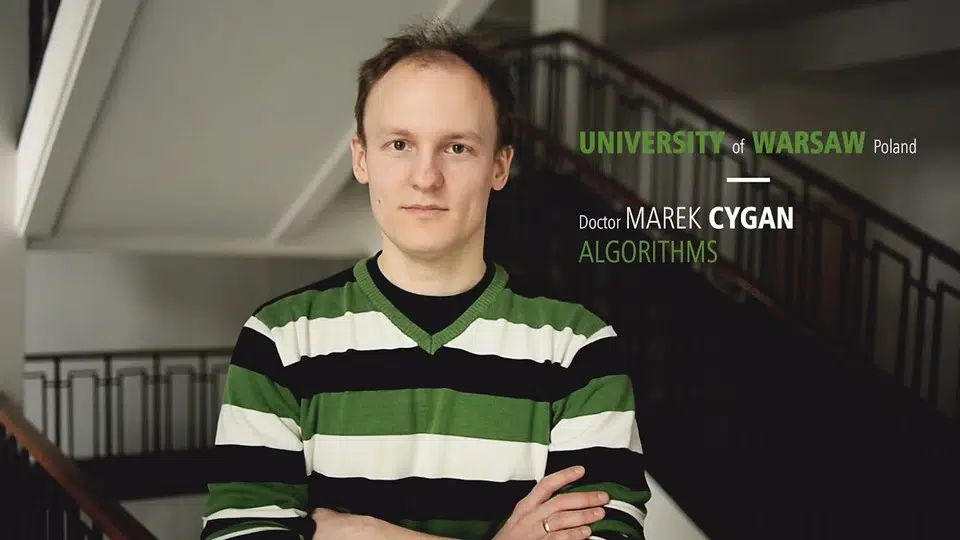
An algorithms virtuoso who won Google Code Jam 2005 and led University of Warsaw to the ICPC world title in 2007.
He earned a PhD and became a professor specializing in approximation algorithms. Marek worked at Google and Nvidia before co-founding Nomagic, an AI robotics startup where he serves as CTO. He remains an active coder and researcher, proving that elite competitive programmers can excel in tech leadership.
- Linkedin: Marek Cygan
- X (Twitter): @marek_a_cygan
- Github: marekcygan
Tomasz Czajka
A legend of competitive programming, Czajka helped Warsaw University win Poland’s first ICPC championship in 2003.
He later spent 6 years at Google as a software engineer, then joined SpaceX for another 6 years, writing flight software for the Crew Dragon spacecraft’s navigation/control. Tomasz literally coded systems that send astronauts to the ISS. Now back in Poland, he’s an icon bridging coding contests and real-world engineering.
- Linkedin: Tomasz Czajka
- X (Twitter): @TCzajka
- Github: tczajka
Marcin Kleczynski
I talked to a couple of banks, and they said they always keep 50–100 bitcoins in a wallet to use in case of a ransomware attack.
Marcin taught himself to code as a teenager and built Malwarebytes out of his basement to clean an infection no antivirus could handle.
Now CEO of the cybersecurity company he founded at 18, his anti-malware software has been downloaded over 500 million times. Kleczyński turned a hobby project into a global business with 300+ employees, all while exemplifying “coder to CEO” success.
- Linkedin: Marcin Kleczyński
- X (Twitter): @mkleczynski
Wojciech Zaremba
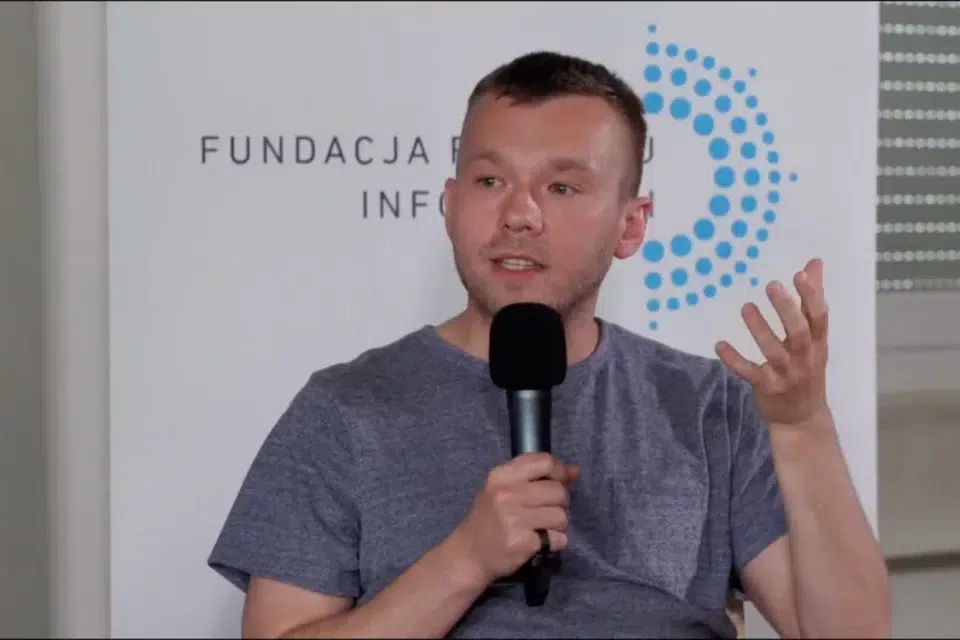
A Polish computer scientist on OpenAI’s founding team, Zaremba initially led OpenAI’s robotics efforts, famously creating a robot hand that solved a Rubik’s Cube.
After the robotics project, he headed teams working on advanced AI models. Previously a PhD in deep learning, he’s been recognized among Poland’s top under-30 innovators. Zaremba’s work at OpenAI showcases Polish contributions among the leaders in AI.
- Linkedin: Wojciech Zaremba
- X (Twitter): @woj_zaremba
👉 Elite IT Recruiters You Should Know in Poland
Michal Zalewski
One of the world’s top browser security experts, Zalewski has spent decades finding vulnerabilities and creating security tools. He authored the acclaimed books “Silence on the Wire” and “The Tangled Web”, and developed the AFL fuzzer (American Fuzzy Lop) used to discover countless software bugs.
A former Director of Information Security Engineering at Google, now VP at Snap Inc., he’s a pioneer in cybersecurity and open-source security research.
- Linkedin: Michał Zalewski
- X (Twitter): @lcamtuf
Marcin Zajkowski
Marcin is a longtime Umbraco Master whose enthusiasm for the platform has fueled many community initiatives. Hailing from Poland (and now working as a Solution Architect in the UK), Marcin has been a 7-time Umbraco MVP and is well known as the co-host of UmbraCoffee, where his friendly banter and deep dives into Umbraco news have kept the community informed weekly.
He was also a co-founder and editor of Skrift.io, the online Umbraco magazine, through which he has published and curated high-quality Umbraco articles. Marcin frequently appears on stage at Umbraco events (including Codegarden keynotes and virtual meetups), often sharing case studies and tips drawn from his experience leading large Umbraco projects.
Whether it’s through code, writing, or video, Marcin’s contributions have significantly shaped the Umbraco community culture and knowledge base.
- Linkedin: Marcin Zajkowski
- X (Twitter): @zajkowskimarcin
Krystian Podemski

Krystian has been an active PrestaShop contributor for over a decade and is now a maintainer of the open-source project.
Based in Poland, he joined the PrestaShop company as a Tech Evangelist in 2021, all while continuing his community role in the project. Krystian’s contributions span core code (he started by improving Polish translations and submitting patches back in 2008) and community education through talks and blog posts. His passion and expertise earned him a place on PrestaShop’s Technical & Product Council.
Developers know Krystian (a.k.a. @kpodemski) for his approachable guidance and deep knowledge of PrestaShop’s inner workings.
- Linkedin: Krystian Podemski
- X (Twitter): @podemski
- Github: kpodemski
Joanna Rutkowska
A Polish security engineer famed for her work on low-level system security. Joanna founded Invisible Things Lab and created Qubes OS, an open-source security-focused operating system she’s led since 2010. Earlier, she demonstrated stealth malware like the “Blue Pill” virtualization rootkit.
Rutkowska’s mission to build secure-by-design systems has made her a recognized authority in endpoint security.
- Linkedin: Joanna Rutkowska
- X (Twitter): @rootkovska
Kamil Debowski
A two-time ICPC World Finals bronze medalist (2012, 2014) and Google Code Jam 2015 runner-up, Kamil parlayed his contest experience into teaching algorithms to thousands. Known online as “Errichto” he has authored 300+ programming problems and runs an active YouTube channel live-coding solutions.
Dębowski’s rare combination of elite coding skills and engaging teaching has made him an Eastern European star in the programming contest community.
- Linkedin: Kamil Dębowski (Errichto)
- X (Twitter): @kamildbow1
Bartosz Milewski
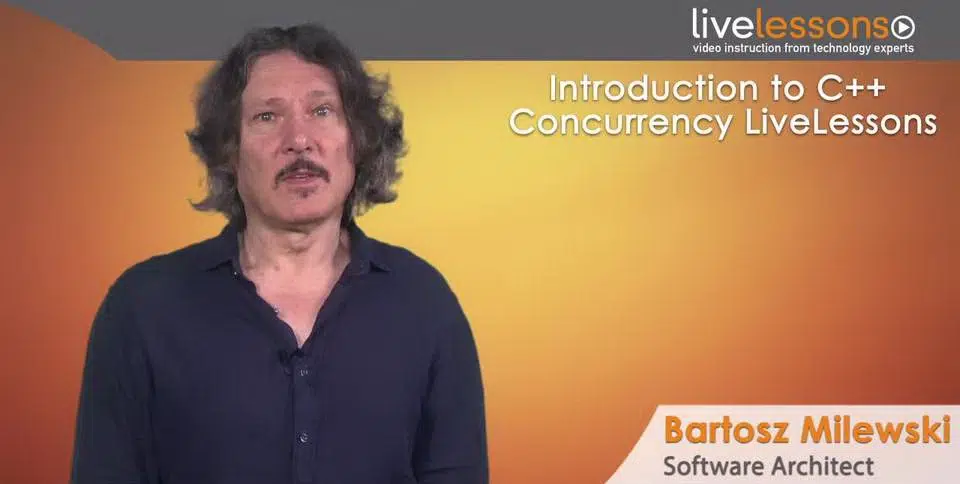
A Polish-born software engineer and blogger celebrated for his influential series “Category Theory for Programmers.” Bartosz’s Programming Cafe blog and video lectures have demystified advanced functional programming concepts for thousands of developers. Formerly a C++ and Haskell expert in the industry, he now educates full-time, bridging mathematics and software.
Milewski’s thought leadership has made abstract CS theory accessible and popular.
- Blog: Bartosz Milewski
- X (Twitter): @BartoszMilewski
Krzysztof Cwalina
A founding member of Microsoft’s .NET team, Cwalina co-designed the .NET Framework’s core libraries and co-authored “Framework Design Guidelines”, the definitive guide for .NET API design. His work established many best practices for C# library development. He remains a Partner Software Architect at Microsoft, continuing to shape .NET and Azure SDK design as an architect and author.
Cwalina’s design principles have shaped software used by millions of .NET programmers.
- Linkedin: Krzysztof Cwalina
- X (Twitter): @kcwalina
Ania Kubow
A self-taught software engineer turned content creator, Ania has built a massive following by teaching coding in a fun, relatable way. She creates YouTube tutorials on JavaScript, React, and game development for over 200,000 subscribers (about 60k in 2020). Ania is also an entrepreneur and community organizer (GeekGirlMeetup).
By recreating retro games and simplifying tech concepts, she’s inspiring the next generation of developers online.
- Linkedin: Ania Kubów
- X (Twitter): @ania_kubow
- Youtube: Ania Kubów
Miroslaw Zelent
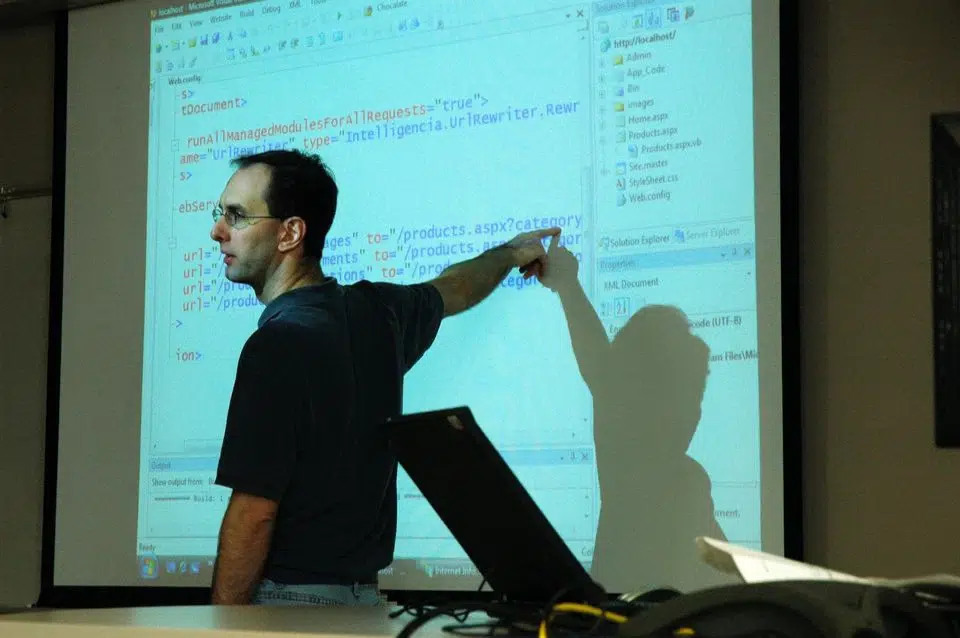
Co-founder of the popular Polish YouTube channel “Pasja Informatyki” (314k+ subscribers), Mirosław has brought computer science to a wide audience in Polish. A freelance developer and teacher, he breaks down complex programming, math, and IT topics for beginners. Zelent also runs a large Q&A forum with 50k members to help learners.
His passion for making tech accessible has nurtured a new generation of Polish programmers.
- Linkedin: Mirosław Zelent
- X (Twitter): @MiroslawZelent
- Youtube: Mirosław Zelent
Piotr Skalski
Piotr created supervision, the open-source computer vision toolkit that has passed 20,000 stars on GitHub and become a default utility layer for detection and tracking projects.
He built the Make Sense image annotation tool, led computer vision work at VirtusLab, and wrote CV tutorials for Towards Data Science before joining Roboflow, where he works on open source and machine learning growth.
His football-analytics demos, tracking players and ball possession in real time, regularly do the rounds on tech X and pull new developers into computer vision.
- Linkedin: Piotr Skalski
- X (Twitter): @skalskip92
- Github: SkalskiP
How much do software developers make in Poland?
Mid-level developers in Poland typically earn 15,000 to 25,000 PLN per month on B2B contracts and senior engineers 25,000 to 35,000 PLN, with Warsaw and Kraków at the top of the range. On Levels.fyi, senior total compensation runs from about $70,000 to $108,000 per year.
Employment contracts pay 20 to 30 percent below B2B because of employer costs and paid leave. For the firms that place this talent, see our guide to IT recruiters and agencies in Poland.
Wrap Up
These experts represent exceptional talent, making them extremely challenging to headhunt. However, there are thousands of other highly skilled IT professionals in Poland available to hire with our help. Contact us, and we will be happy to discuss your hiring needs.
Note: We’ve dedicated significant time and effort to creating and verifying this curated list of top talent. However, if you believe a correction or addition is needed, feel free to reach out. We’ll gladly review and update the page.