
 HomeFlow
 Touch Stay
 Low6
Low6 Glasscubes
 Made (acq. by Next)
 PWN (acq. by PGi)
 Platinium Group
 Litera Microsystems
 Fortune 500 Firm
PyTorch has become one of the most widely adopted deep learning frameworks in the world, driven by a diverse and passionate global community.
This includes open-source contributors, startup founders still writing code, renowned educators and content creators, engineers building at scale inside major tech companies, and even winners of international AI competitions. Below is an updated and ranked list of the world’s best PyTorch developers, selected for their influence, activity, and contributions across these areas:
| # | Expert | Field |
|---|---|---|
| 1 | Phillip Lippe | Deep learning research |
| 2 | Shauheen Zahirazami | PyTorch on Cloud TPU |
| 3 | Thomas Wolf | NLP, AI tooling |
| 4 | Lysandre Debut | Transformers library |
| 5 | Jeremy Howard | Deep learning education |
| 6 | William Falcon | PyTorch Lightning |
| 7 | Tim Dettmers | ML research |
| 8 | Sebastian Raschka | Machine learning |
| 9 | Sylvain Gugger | Deep learning education |
| 10 | Thomas Viehmann | PyTorch core, ML |
| 11 | Luca Antiga | PyTorch core |
| 12 | Yacine Jernite | ML and society |
| 13 | Seth Juarez | Data science education |
| 14 | Jason Brownlee | ML education |
| 15 | Rachel Thomas | Deep learning education |
| 16 | Steve Wan | AI at scale |
| 17 | Damien Benveniste | ML education, Transformers |
| 18 | Niles Burbank | Data center GPUs |
| 19 | Edward Z. Yang | PyTorch internals |
| 20 | Dmytro Dzhulgakov | PyTorch core, Fireworks AI |
⚡️Building with PyTorch? EchoGlobal finds the engineers who deliver.
Now, let’s dig into each of these developers’ accomplishments and contributions:
Dmytro Dzhulgakov

🇺🇦 Ukrainian
Dmytro is a longtime PyTorch core maintainer and the co-founder and CTO of Fireworks AI (previously a PyTorch lead at Meta).
With five years on the PyTorch team, he focuses on core development and production deployment of PyTorch. He also co-created ONNX (the open neural network interoperability format) and has worked on scaling Facebook recommendation systems using PyTorch. His role ensures PyTorch’s stability and performance in large-scale systems, making him a key figure in the PyTorch open-source community.
- Linkedin: Dmytro Dzhulgakov
- X (Twitter): @dzhulgakov
- Github: dzhulgakov
Phillip Lippe
🇩🇪 German
Phillip is a research scientist at Google DeepMind and an educator in the PyTorch Lightning community.
He co-developed the University of Amsterdam’s deep learning tutorials, which were later integrated as official tutorials in PyTorch Lightning’s documentation. Lippe’s work bridges academia and PyTorch: by using and teaching PyTorch Lightning in coursework, he has helped train many students and made advanced PyTorch features more accessible to learners.
- Linkedin: Phillip Lippe
- X (Twitter): @phillip_lippe
- Github: phlippe
Shauheen Zahirazami
Accelerating PyTorch workloads on Cloud TPU with Pallas integration and Auto-Sharding.
🇮🇷 🇺🇸 Iranian-American
Shauheen is a Google engineer who leads Cloud TPU Machine Learning Teams (ML Frameworks).
His team develops PyTorch/XLA, the backend that enables PyTorch to run on Google’s TPUs. By contributing PyTorch support for TPUs, Shauheen has opened up PyTorch to a wider range of high-performance hardware. His work on PyTorch/XLA is critical for researchers who want to train PyTorch models on Google Cloud’s specialized accelerators.
- Linkedin: Shauheen Zahirazami
Thomas Wolf
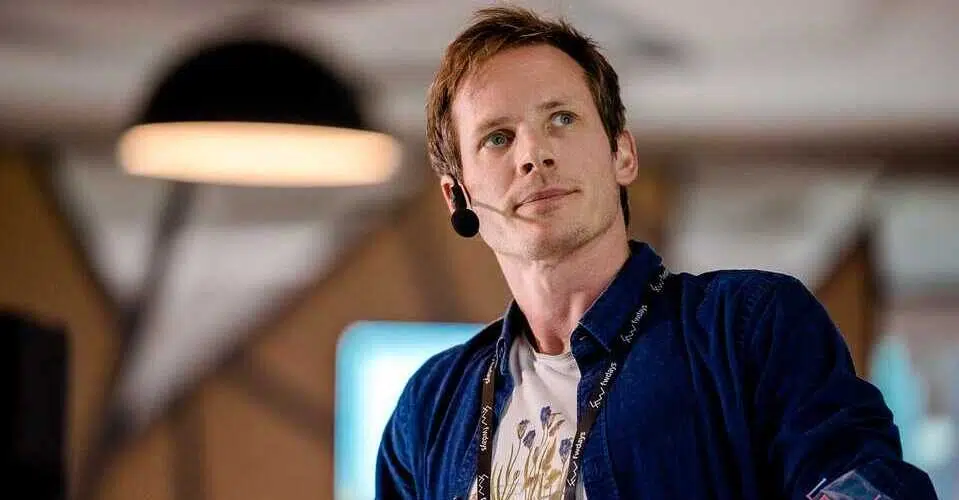
🇫🇷 French
Thomas is co-founder and Chief Science Officer of Hugging Face, an AI company known for NLP tools.
He led development of the popular Transformers and Datasets libraries (both built on PyTorch), democratizing access to state-of-the-art NLP models. Wolf actively promotes open-source and education: he co-authored Natural Language Processing with Transformers and organizes research projects like BigScience for large language models. Under his leadership Hugging Face has become a major hub of PyTorch-based models and community, reflecting his huge influence on the PyTorch ecosystem.
- Linkedin: Thomas Wolf
- X (Twitter): @Thom_wolf
- Github: thomwolf
Lysandre Debut
🇫🇷 French
Lysandre is Head of Open Source at Hugging Face and a core maintainer of the Transformers library.
He has been at Hugging Face since its pivot to open source and helped launch its mission. In late 2023 he led Hugging Face’s integration with the PyTorch Foundation, emphasizing interoperability. Lysandre’s contributions lie in keeping Hugging Face’s PyTorch tools (Transformers, tokenizers, etc.) advanced and well-supported, cementing the link between PyTorch and Hugging Face’s ecosystem.
- Linkedin: Lysandre Debut
- X (Twitter): @LysandreJik
- Github: lysandrejik
Jeremy Howard
🇦🇺 Australian
Jeremy is a data scientist and educator who co-founded the fast.ai deep learning group.
He co-authored Deep Learning for Coders with fastai and PyTorch, and his fastai library (built on PyTorch) is widely used for teaching and research. A former Kaggle Grandmaster and founding CEO of Kaggle, he has used competitions and education to popularize practical deep learning. Howard’s work emphasizes making AI accessible; through fast.ai courses and libraries he has taught tens of thousands of developers to use PyTorch for vision and NLP tasks.
- Linkedin: Jeremy Howard
- X (Twitter): @jeremyphoward
- Github: jph00
William Falcon

🇨🇺 🇺🇸 Cuban-American
William is the creator of PyTorch Lightning and CEO of Lightning AI.
PyTorch Lightning is a high-level framework that simplifies PyTorch training loops for distributed GPUs/TPUs. Falcon has a background as an AI researcher (PhD-level) and has built developer tools like Lightning and TorchMetrics to make PyTorch more usable. His efforts (such as Lightning’s open-source code) emphasize best practices and research productivity, making him a prominent developer in the PyTorch community.
- Linkedin: William Falcon
- X (Twitter): @_willfalcon
- Github: williamFalcon
Tim Dettmers
🇩🇪 German
Tim is a research scientist at the Allen Institute for AI (AI2) and assistant professor at Carnegie Mellon.
He is known for his influential blog on efficient deep learning (e.g. model quantization), and created the bitsandbytes library for 8-bit model training in PyTorch. His work makes large neural networks more accessible (e.g. 8-bit optimizers for LLMs), bridging research and practical PyTorch tools. Dettmers’s clear tutorials and code have guided many engineers in optimizing PyTorch models at scale.
- Linkedin: Tim Dettmers
- X (Twitter): @Tim_Dettmers
- Github: TimDettmers
- Website/Blog: timdettmers.com
Sebastian Raschka

🇩🇪 German
Sebastian is an associate professor at UW–Madison and a ML author.
He wrote Python Machine Learning and Machine Learning with PyTorch & Scikit-Learn, and developed many PyTorch-based educational examples. Notably, he transitioned his deep learning coursework from TensorFlow to PyTorch around 2016, championing PyTorch’s simplicity. Raschka’s extensive tutorials and books help newcomers learn PyTorch for computer vision and NLP, and his GitHub repos contain dozens of PyTorch demos. His teaching and writing have made him a leading influencer in the PyTorch community.
- Linkedin: Sebastian Raschka
- X (Twitter): @rasbt
- Github: rasbt
- Website/Blog: sebastianraschka.com
Sylvain Gugger
🇫🇷 French
Sylvain is a former Hugging Face engineer and co-author of the fast.ai deep learning book (with Jeremy Howard).
He helped integrate PyTorch into fastai and worked on Hugging Face’s model libraries. Currently at Jane Street, Gugger continues to publish PyTorch-focused tutorials and notebooks to educate the community. His contributions lie in making PyTorch-based deep learning more approachable, through clear teaching materials and tool development.
- X (Twitter): @GuggerSylvain
- Github: sgugger
Thomas Viehmann
🇩🇪 German
Thomas is a machine learning engineer and PyTorch core developer.
He co-wrote Deep Learning with PyTorch and offers training and consulting on PyTorch. As a contributor to PyTorch’s codebase and documentation, Viehmann helps improve PyTorch’s functionality and usability. He maintains popular PyTorch example repositories and has given talks/workshops on PyTorch, making him a respected expert in the framework.
- Linkedin: Thomas Viehmann
- Github: t-vi
Luca Antiga
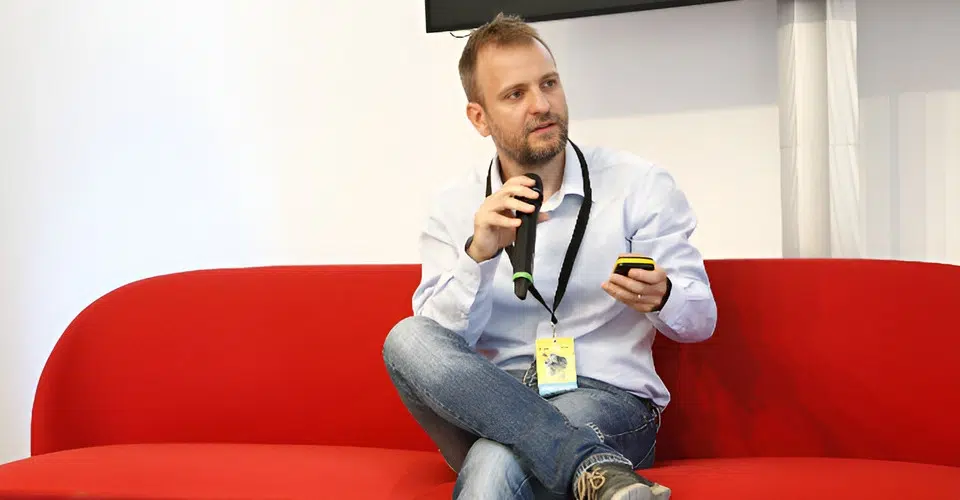
🇮🇹 Italian
Luca is CTO at Lightning AI and an early contributor to PyTorch’s core code.
He co-authored Deep Learning with PyTorch and led engineering on deploying PyTorch models. Luca’s work bridges research and production – he co-founded ONNX for model interoperability and focuses on deploying AI in production settings. As a PyTorch contributor and Lightning leader, he has significantly influenced how PyTorch models are used at scale.
- Linkedin: Luca Antiga
- X (Twitter): @lantiga
- Github: lantiga
Yacine Jernite
🇧🇪 Belgian
Yacine is the ML & Society lead at Hugging Face and a co-organizer of the BigScience project.
He coordinated the large language model BLOOM development, which uses PyTorch for training. Jernite’s expertise in data and model governance helped structure Hugging Face’s open research. He continues to contribute to Hugging Face’s PyTorch-based toolchain and leads initiatives (e.g. BigScience, BigCode) to build and analyze large models in a collaborative way.
- Linkedin: Yacine Jernite
- X (Twitter): @YJernite
- Github: yjernite
Seth Juarez
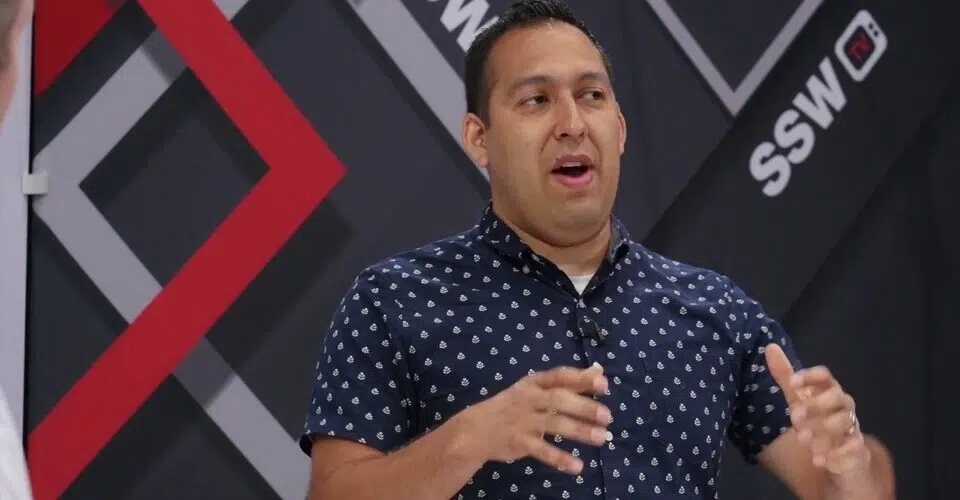
🇺🇸 American
Seth is a data scientist and educator, formerly at Microsoft, known for co-authoring Microsoft’s PyTorch Fundamentals course.
He teaches PyTorch concepts through blog posts, videos, and the Machine Learning Street Talk podcast. Juarez’s approachable style and open tutorials (often on Twitter/X and his blog) have made complex PyTorch topics accessible. He continues to code and present PyTorch demos in talks, making him an influential community educator.
- Linkedin: Seth Juarez
- X (Twitter): @sethjuarez
- Github: sethjuarez
Jason Brownlee
🇦🇺 Australian
Jason is a machine learning educator and founder of MachineLearningMastery.com.
He publishes many practical tutorials on PyTorch (e.g. step-by-step guides and mini-courses) to help developers get hands-on with deep learning. His blog posts and ebooks cover PyTorch fundamentals, and his “Deep Learning Crash-Course” uses PyTorch examples. Brownlee’s educational content is widely used by practitioners and students learning PyTorch.
- Linkedin: Jason Brownlee
- X (Twitter): @jason2brownlee
- Github: Jason2Brownlee
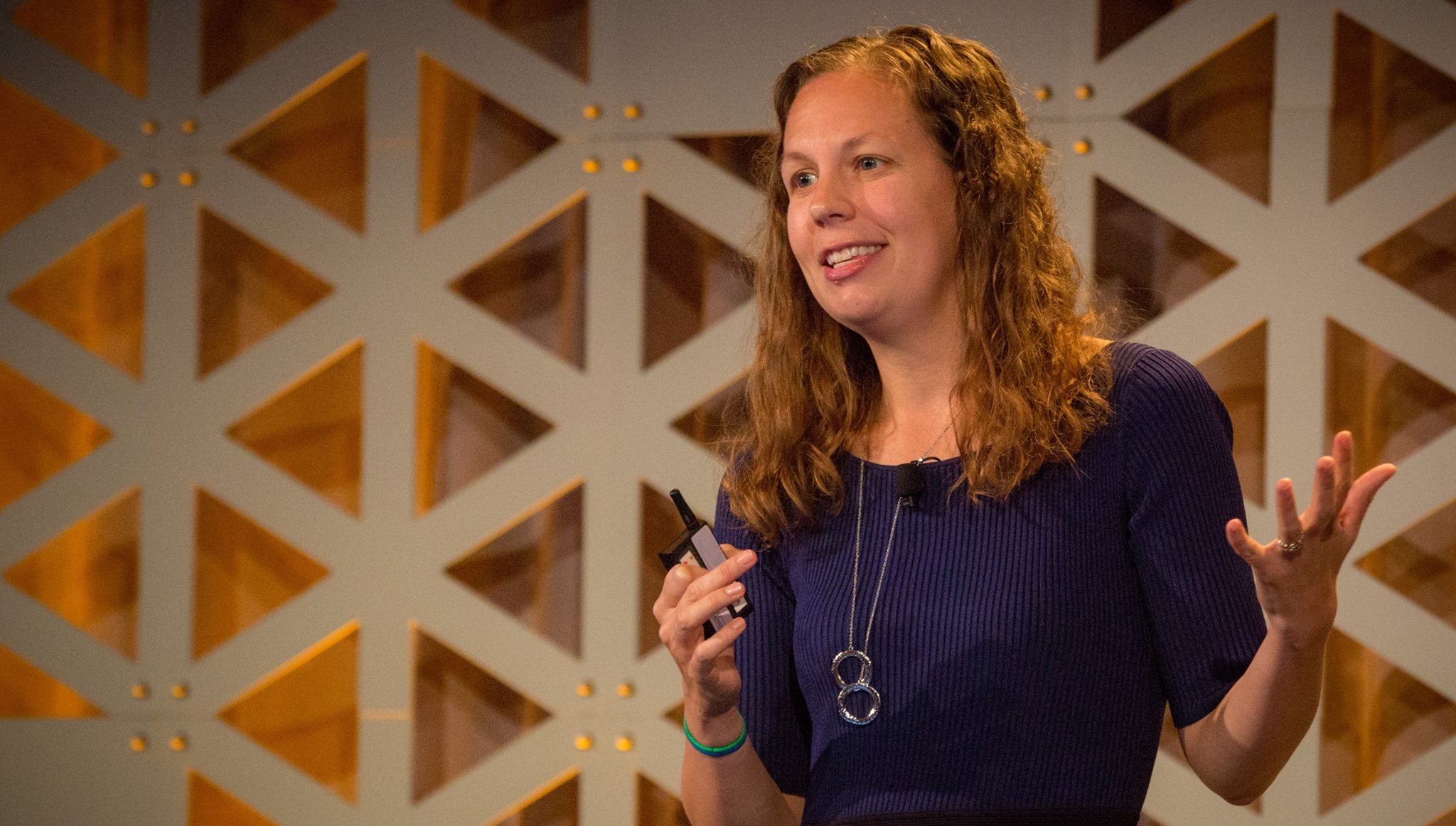
Rachel Thomas
🇺🇸 American
Rachel is co-founder of fast.ai and Professor of Practice at the University of San Francisco.
She co-created the world’s longest-running free deep learning course (fast.ai) and co-authored chapters in Deep Learning for Coders with fastai and PyTorch. Her work has focused on making deep learning (especially NLP) accessible, teaching many students through fast.ai’s PyTorch-based courses. Thomas is also noted for her advocacy on ethics in AI and for integrating PyTorch hands-on labs in education.
- Linkedin: Rachel Thomas
- X (Twitter): @math_rachel
Steve Wan
🇺🇸 American
Steve is an engineering manager at Microsoft Azure responsible for the AI-at-Scale initiative.
A key part of his role is “enabling and innovating on PyTorch” for Azure’s cloud AI platform. He works on integrating PyTorch into Azure Machine Learning and optimizing it for scalable deployment. Wan’s efforts ensure that developers can efficiently train and deploy PyTorch models on Microsoft’s large-scale cloud infrastructure.
- Linkedin: Steve Wan
- X (Twitter): @wansteve0
Damien Benveniste
🇺🇸 American
Damien is the founder of The AiEdge and a widely read ML educator known for hands-on, production-minded tutorials – especially around PyTorch implementations of Transformer internals.
In his LinkedIn Pulse article “Implementing the Self-Attention Mechanism from Scratch”, he walks through building a self-attention layer step-by-step in PyTorch. He frequently explores PyTorch-centric attention topics such as memory/latency optimization, linearized attention, and long-sequence strategies in an ongoing series.
A former ML Tech Lead at Meta, he pairs large-scale industry experience with practical code labs and live sessions, including free events focused on implementing self-attention from scratch in PyTorch.
- Linkedin: Damien Benveniste
Niles Burbank
🇨🇦 Canadian
Niles Burbank is Director of Product Management for Data Center GPUs at AMD.
He oversees AMD’s GPU lineup and works to advance software for AI. While not a core PyTorch developer, his role in promoting open-source ML tools (including support for PyTorch on AMD hardware) has helped expand PyTorch’s reach. Burbank collaborates with the AI community to deliver tools and drivers that enable PyTorch to run efficiently on AMD GPUs.
- Linkedin: Niles Burbank
Edward Z. Yang
🇺🇸 American
Edward is a long-time PyTorch engineer at Meta and one of the core contributors shaping PyTorch internals and developer-facing behavior.
He is known for work that improves how PyTorch programs are analyzed and executed, including practical features such as meta tensors used for shape inference and operator development.
- Linkedin: Edward Z. Yang
- X (Twitter): @ezyang
- Github: ezyang
Wrap Up
These experts represent exceptional talent, making them extremely challenging to headhunt. However, there are thousands of other highly skilled IT professionals available to hire with our help. Contact us, and we will be happy to discuss your hiring needs.
Note: We’ve dedicated significant time and effort to creating and verifying this curated list of top talent.
However, if you believe a correction or addition is needed, feel free to reach out. We’ll gladly review and update the page.
Related technologies: artificial intelligence.